Wine Touring in the Rioja Alta
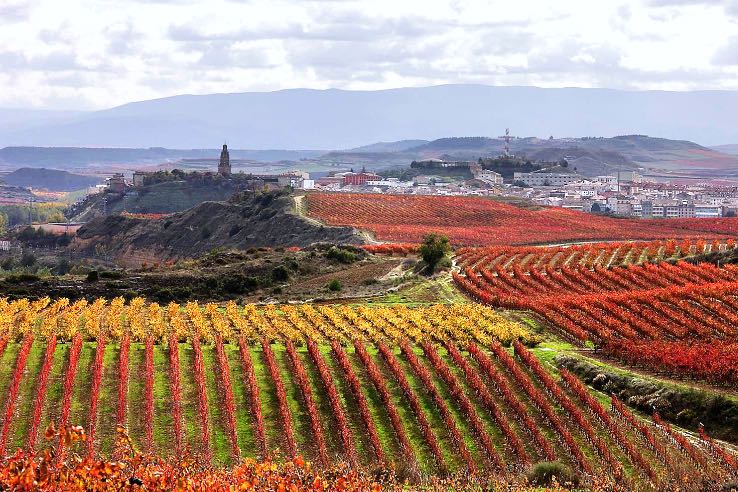
Haro, capital of the Rioja Alta
We usually start our wine touring in the western end of the Rioja. Haro, the wine capital of the Rioja Alta, is an agricultural town of just under 12,000 inhabitants and has the largest concentration of centuries-old wineries in the world; CVNE, Gómez Cruzado, Bodegas Bilbaínas, López de Heredia-Viña Tondonia, Martinez Lacuesta, and Carlos Serres.
Many of the notable wineries are located to the north of Haro, below the main part of the town in the Barrio de la Estación, also known as the Barrio de las Bodegas, near the railway station, where free parking is available. A few other wineries are located south and to the west of the center of Haro and also provide parking. Note, parking in Haro, especially around the old quarter, is limited and can be difficult, especially around lunch time and impossible duing the festival.
Other than visiting the wineries, there are some importance monuments you might be interesting in seeing, such as the late Gothic-style Parroquia de Santo Tomás, the Church of Saint Thomas, located in the old quarter at Plaza de la Iglesia, 7. It’s also known as the “Watchtower” as the tower is the highest point in the city. The 18th-century Basilica de La Virgen de la Vega and the Museo Virgen de la Vega, which opened in 2002,face the Plaza Marqués de Francos and the Vega Gardens. El Museo del Torreón, the 15th-century Tower of Prisoners, which now houses the Museum of Contemporary Art (closed on Mondays) is on Calle at the entrance to the Plaza de la Paz. The Museo al Aire Libre is a series of sculptures of traditional, artisan and artistic trades you’ll find while walking around the city. The Palacio de Bendaña, a great example of the Plateresque style architecture, ornate decorative facades covered with floral designs, dates from the 16th and 17th centuries, is part of the old city wall, and where you will find the tourist office, facing the Plaza de la Paz.
The 18th-century baroque-style Palacio de las Bezaras, built of ashlar stone, also know as the Stork Palace, is at Calle Vírgen de la Vega, 16, a couple of minutes walk from the Plaza de la Paz. The Palacio de los Condes de Haro is a 15th-century palace, an interesting mix of Renaissance and Baroque styles, sits next to Parroquia de Santo Tomás at Plaza de la Iglesia, 3. Haro’s Bretón Theater is named for Manuel Bretón de los Herreros, poet and one of the Spain’s most important and prolific comic playwrights of 19th-century. He was born in the village of Quel, in the Rioja Oriental, in 1796. Market days are Tuesdays and Saturdays.
The Rioja Wine Interpretation Center at Bretón de los Herreros, 4, has been expanded, modernized and re-named La Estación Enológica de Haro, and merits a visit. It’s housed on three floors, and the tour starts on the second floor, where the entire process of wine cultivation is explained. On the first floor the main features of the wine making process can be seen. The ground floor illustrates the character and characteristics of the Riojan villages and its people and their close relationship to the world of wine.
The two-day Carnaval del Vino, the Haro Wine Carnival, is celebrated between late February and late March every year (you’ll have to check the date depending on the year). Tickets will be available at both the Haro and Logroño tourist offices. The annual Batalla del vino, the Battle of Wine, takes place on June 29 during the festivals of San Juan, San Felices and San Pedro.
The pandemic delayed the La Cata del Barrio de la Estación, the Haro Station Wine Experience for two years. This year’s event took place yesterday, June 15. We look forward to next year’s celebration.
Haro at Lunchtime
Save for festival days, Haro can be a rather sleepy place after the sun goes down with the exception of the area of La Herradura, the horseshoe-shaped tapas circuit, where you’ll find some of the town’s popular tapas bars; Bar Beethoven at Calle Santo Tomás, 3, Talia at Calle de Santo Tomás, 21, los Berones at Calle Santo Tomás, 28. Bar el Pasadizo is at Plaza de la Iglesia, 1, los Caños is at Plaza San Martín, 5 and Bar El Remolino is at Calle San Martín, 2. Bar Beethoven III is at Plaza de la Iglesia, 8.
Located in a space next to Café Suizo at Juan Garcia Gato, 2, at the entrance to the Plaza de la Paz is chef Raúl Muñiz and his wife Laura’s Alboroque, a great addition to the fine gourmet dining scene in Haro, but plan ahead as the restaurant only seats 16. Around the plaza you will also find El Rinconcito de Cai and Bar Benigno. The legendary asador Casa Terete can be found at Lucrecia Arana, 17, one block up from the Plaza de la Paja. Gastrobar Señorío de Haro has opened in a new space at Calle Lucrecia Arana, 4, across the street from Casa Terete. For a decent GinTonic, Teorema is just down the street at Calle Ventilla, 1. It’s been around since 1981.
Staying in Haro
There are a few good options for staying in the area beginning with the 18th-century Los Agustinos, a building with some 600 years of history. The 19th-century palace Hotel Arrope was commissioned by the Duke of Moctezuma de Tultengo, a descendant of the Aztec Emperor Moctezuma II. It is located at Calle Virgen de la Vega, 31. They also have an excellent small restaurant and tapas bar serving local cuisine. The historic 16-room Hotel Plaza de la Paz, overlooking the Plaza de la Paz, is also an option for those wanting to stay in Haro.

If you follow the LR-401 a few minutes north of Haro, about 5 km, you’ll come to the small village of Villalba de Rioja (maybe 150 population) sitting on the southern slopes of the Obarenes Mountains overlooking the vineyards below. Bordering the provinces of Álava and Burgos, the village dates back to the 13th-century and was the birthplace of Pedro Ruiz del Castillo, conquistador and founder the city of Mendoza, Argentina. It’s now home to the Palacio Condes de Cirac, a new boutique Casa Rural where you can book one of it’s 8 rooms, or rent the entire house for a family get-away in the Rioja.
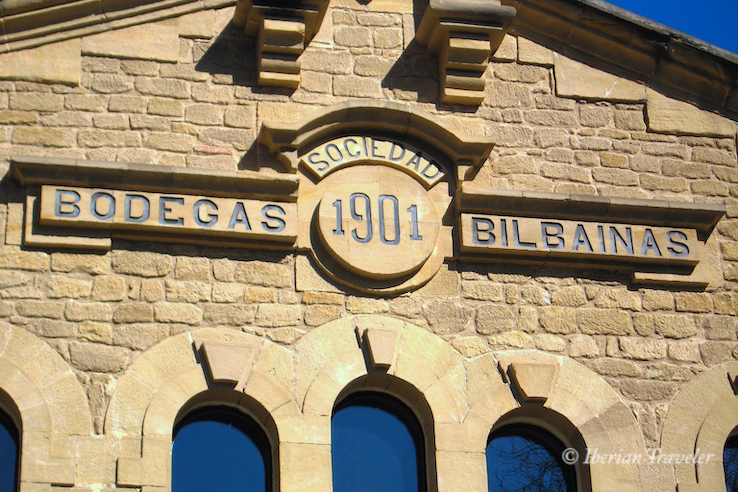
Wineries of interest in Haro
Ramón Bilbao
Ramón Bilbao Murga from Etxebarri opened his bodega in 1924, today his winery has 265 hectares of its own vineyards; 60 hectares in Rueda and manages another 900 hectares around the villages of Villalba, Ábalos, Valpierre, Cuzcurrita and Tudelilla. Owned since 1999 by the Zamora Company, a third-generation family business, the winery is under the direction of noted Oenologist Rodolfo Bastida. Ramón Bilbao was again named one of the world’s 50 most admired brands by Drinks International in 2023, the 5th year in a row. Winemaker Rosana Lisa, launched Lalomba, their new single vineyard collection, in 2020, using concrete tanks and 500 liter French oak barrels. The Tempranillo is from bush vines planted in 2000 on a 2.8 hectare plot on the 650 meter high terraces of Finca Villalba de Rioja.
Carlos Serres
Charles Serres was a Frenchman who came to Haro from Bordeaux in the late 19th-century after phylloxera had devastated the wine industry in the Médoc. Opening his original bodega in the Barrio de la Estación in 1896, he established the Rioja Wine Exporters Syndicate in 1907, becoming one of the region’s first exporters. Celebrating their 125th anniversity in 2022, the winery, which remains family-owned and operated, moved to its current location in the mid 20th-century to accommodate it’s growth. The main vineyard, Finca El Estanque, covers 60 hectares of land in south-eastern Haro where the Tempranillo, Graciano, Mazuelo, Maturana Tinta and Viura grapes thrive at an altitude of 500 meters
Bodegas Manzanos Haro
The Fernández de Manzanos family, 5th generation winemakers, owns three premium wineries, one in Haro, the château style winery in Azagra (Navarra), across the Ebro river in the “Rioja del Reyno”, which opened in 2007, and in Campanas, just south of Pamplona, the oldest winery in Navarra (1864). The Haro winery, orginally known as Bodegas Berceo, located in the Plaza de la Paz; the oldest winery in Haro (1801), and the Palacio de Manzanos (1733), have undergone a major renovation and is now available to visit.
Bodegas Martinez Lacuesta
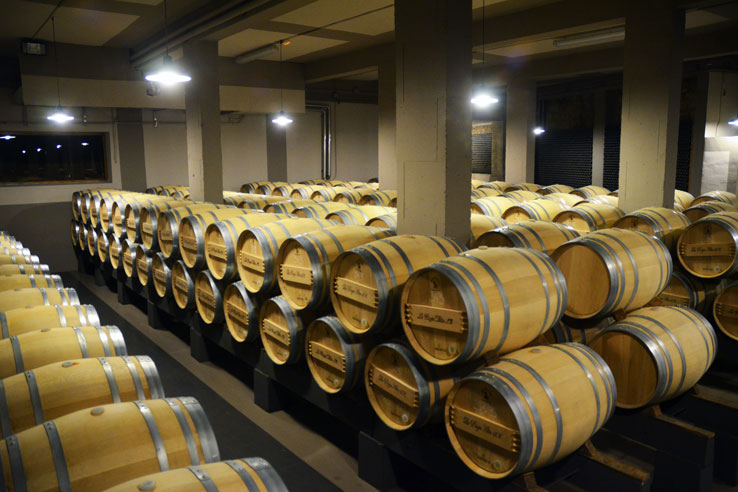
Founded in 1895 by winemaker, lawyer, politician and promoter Félix Martínez Lacuesta, it’s one of the Centenarian Wineries of La Rioja. With vineyards covering a total of 14+ hectares on the right bank of the Ebro river, the modern winery is run by the 6th-generation of the Martínez Lacuesta family. The breathtaking aging room in the new winery holds some 8000 barrels of American (90%) and French (10%) oak. Opened in 2011, it sits beneath a 3.7 hectare vineyard to help control the temperature during the warm summers and cold winters typical of the area.
Haro’s Barrio de la Estación
The Tudela-Bilbao railway was inaugurated in 1863, giving birth to the Barrio de la Estación in the late 19th-century resulting in wineries being built around a central point, the golden mile of Rioja wine.
“The Barrio is the soul of Rioja and a bridge between the past and the future; a gorgeous place which is still missing the worldwide recognition it deserves”, Tim Atkin, 2015.
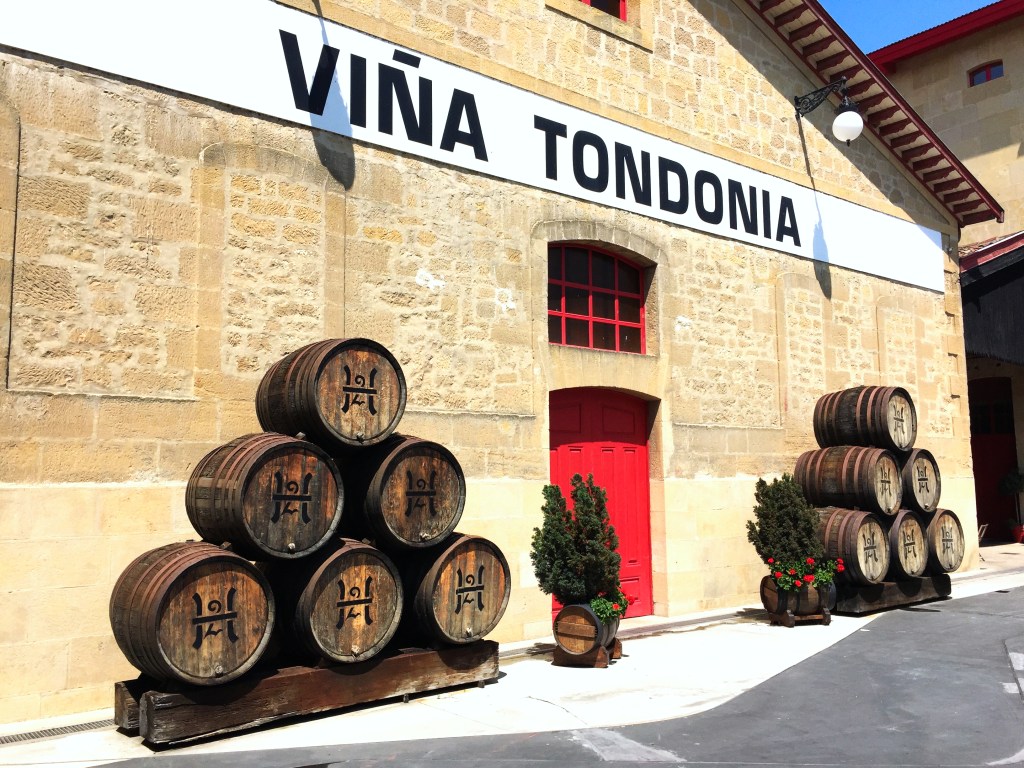
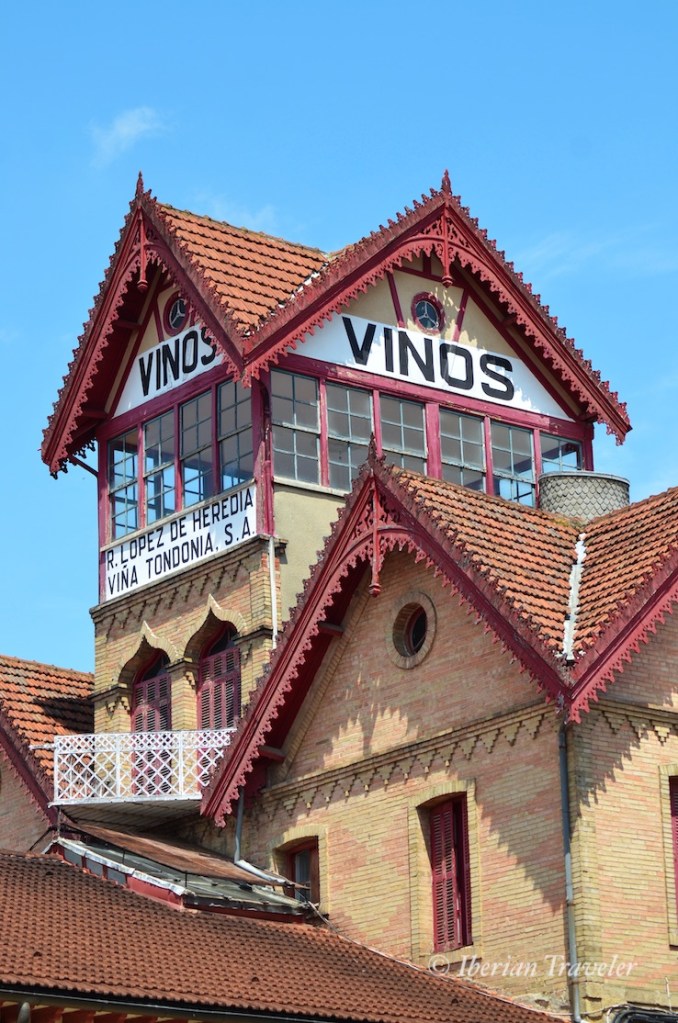
Architecture buffs will may want to make C.V.N.E. and Viña Tondonia their top priorities in Haro. Bodegas López de Heredia, which D. Rafael López de Heredia y Landeta began building in the late 1800’s, is still unfinished, evolving generation after generation. C.V.N.E.’s architectural showpiece is its barrel nave. It was created between 1890 and 1909 by the famous French civil engineer and architect Gustave Eiffel. Instead of using conventional columns, metallic trusses were extended from wall to wall, allowing for a great diaphanous space for easier racking and maintenance. This structure is used for aging the famed C.V.N.E. Imperial label.
Barrio de la Estación Wineries Of Interest
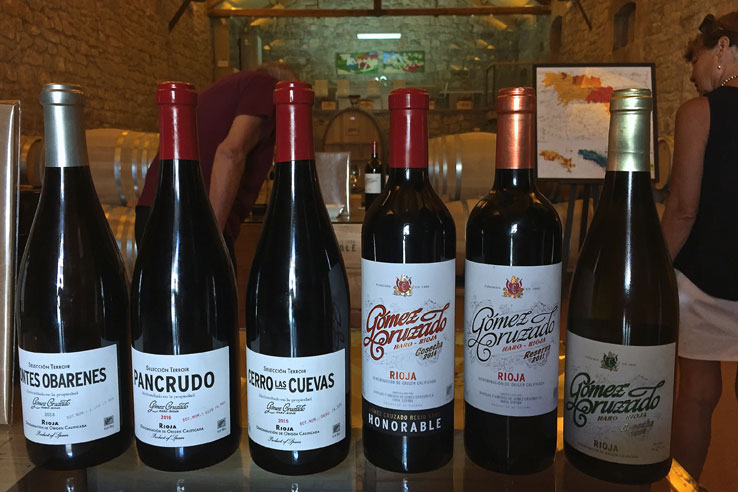
López de Heredia
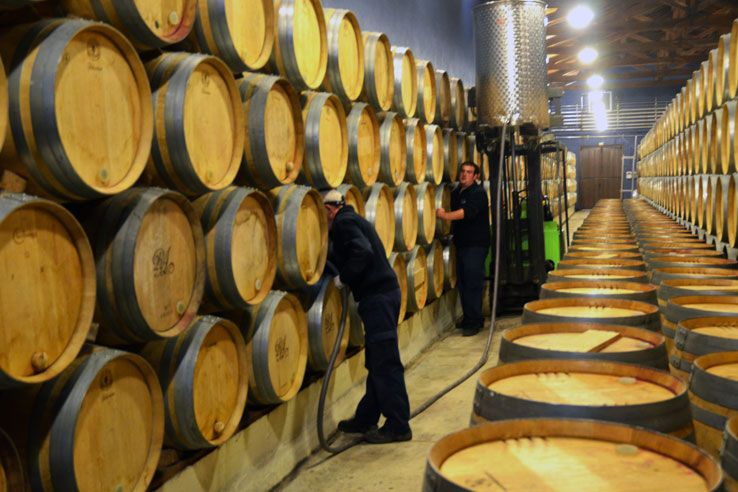
The most spectacular and oldest winery in Haro was one of the first three bodegas in the Rioja. The López de Heredia family owns a total of 163 hectares of vineyards in the area surrounding Haro, with the Viña Tondonia vineyard measuring 100 hectares, planted between 1913 and 1914 on the right bank of the Ebro River. Their other vineyards in the Rioja Alta are Viña Cubillo (24 ha), Viña Bosconia (15 ha) and Viña Gravonia (24 ha). Today the winery houses 72 large oak fermenting vats. Temperature during fermentation is controlled through the use of natural ventilation. The wines age in 15,000 French oak barrels that were produced by and are constantly repaired by the winery’s team of three coopers. It is one of a few wineries in the Rioja to have its own tonelería, a barrel making shop.
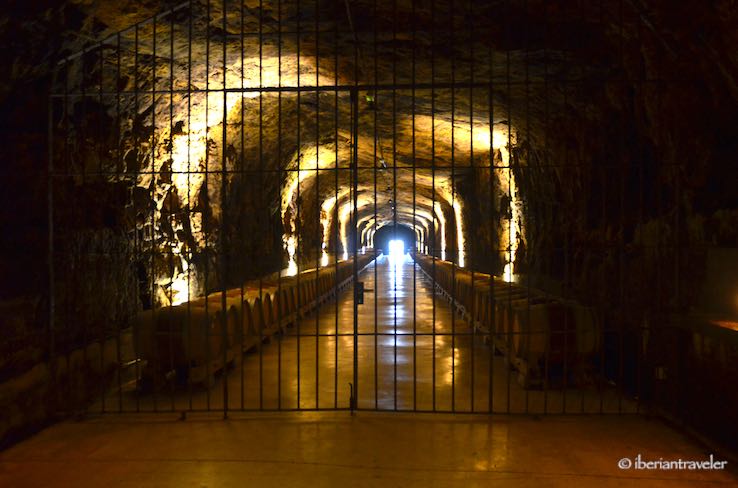
The dimly lit spider-web covered vaulted underground corridors of the original winery run for up to 200 meters in length, the dark walls covered with a natural penicillin mold. It’s an amazing walk, as through as you are stepping back in time.
Bodegas Roda
Established in 1987 by Mario Rotllant and his wife Carmen Daurella, this relatively “young” Rioja winery opened its doors in 2001 at the very north end of the Barrio de la Estaciónatop a small hill slightly north of Viña Tondonia and continues to produce some of the region’s most exciting wines in its ultra modern installations. All of their wines are aged in French oak and the harvest, by a team of 40 people, is done manually. The winery owns 70 hectares of vineyards and manage another 50, which range in elevation from 380 to 650 meters above sea level in the Obarenes Mountains, where the Atlantic, Continental and Mediterranean influences meet.
Bodegas C.V.N.E.
Located just south of the train tracks, C.V.N.E., Compañía Vinícola del Norte de España, was founded in 1879, and controls some 545 hectares of vineyards in the Rioja Alta and Rioja Alavesa, with most of the wines coming from the Rioja Alta. In 1940 it was a pioneer in the construction of the first concrete fermentation warehouse in Spain. You will often find works of art displayed at the winery such as Anthony Caro (2016), one of Britain’s most important sculptors of the 20th-century, Spanish sculptor Cristina Iglesias (2015) and Basque sculptor Eduardo Chillida (2014).
Bodegas Bilbaínas
You’ll find this bodega in the same area of the lower town, just behind C.V.N.E., on the southern side of the railroad tracks at Calle La Estación, 3. It is a fascinating and immense 121-year old winery with 3,400 meters of underground cellars. Bodegas Bilbaínas produces the highly regarded La Vicalanda and Viña Pomal wines, the winery’s flagship brand. Their vineyards cover 250 hectares in the Rioja Alta, making it one of the largest in the region. Viña Pomal, who’s roots go back to 1859, when Savignon Frères & Cie fled France from the ravages of phylloxera, was the creation of Don Santiago de Ugarte from Bilbao, one of the founders of Bodegas Bilbaínas.
He purchased the winey in 1901, producing the first Viña Pomal vintage in 1904. Bilbaínas was one of the last producers to adapt to modern times, no updating until it was taken over by Codorniú (1997), the Catalán bubbly makers, renewing the old facades and historical buildings, and building new production and aging facilities.
Bodegas Muga
Also located in the Barrio de las Bodegas below Haro, Muga, founded in 1932 by Isaac Muga and Aurora Caño, is another highly traditional winery that clings to age-old methods, producing spectacular wines, and like Viña Tondonia, it too has its own cooperage for making its vats and casks. The combination of Mediterranean, Atlantic and Continental climates affect the vineyards, which are located on a plateau, at the highest altitude in La Rioja, a few kilometers west of Haro.
Bodegas La Rioja Alta
It was in 1890 that five Riojan and Basque families came together, creating ‘Sociedad Vinícola de La Rioja Alta’ to produce their first wine, the Reserva 1890. And it wasn’t until 1941 that they changed the name to La Rioja Alta, S.A., as it is today. Located across the street from López de Heredia at Avenida de Vizcaya, 8, this traditional winery, like Muga and López de Heredia, maintains its own cooperage, and have about 30,000 barrels of American oak. Barrels are racked every 6 months by candlelight to preserve the quality of the wine. And for sustainability, they have set aside 16 of their 425 hectares of vineyards for 100% organic viticulture and installed a solar farm at the wine cellar they built in 1996, a few minutes away in the village of Labastida (Alavesa).
The group owns three other wineries; Torre de Oña in the village of Paganos (Rioja Alavesa), Lagar de Cervera, near O Rosal (Pontevedra) in the Rias Baixas, and the small wine estate of Áster, near the village of Anguix (Burgos), where, like Torre de Oña, you can spend a few days in the beautiful manor house in the Ribera del Duero.
Bodegas Gómez Cruzado
Situated between Bodegas Rioja Alta and Muga, this small and very pretty family-owned and run centenarian winery, founded in 1886 by the Duke of Moctezuma de Tultengo, is one our clients always enjoy and is one of our must stops when in the Rioja. A boutique winey with a team of young wine-makers, their vineyards are located in three different microclimates; the foothills of the Sierra de Cantabria at up to 750 meters altitude, the Bajo Najerilla at an average of 500 meters, and the Alto Najerilla near the Sierra de la Demanda, with vines over 80 years old growing at an altitude of 750 meters above sea level, allowing for a strong fruit and marked acidity.


 Destinations by Maribel