Briones, a medieval village
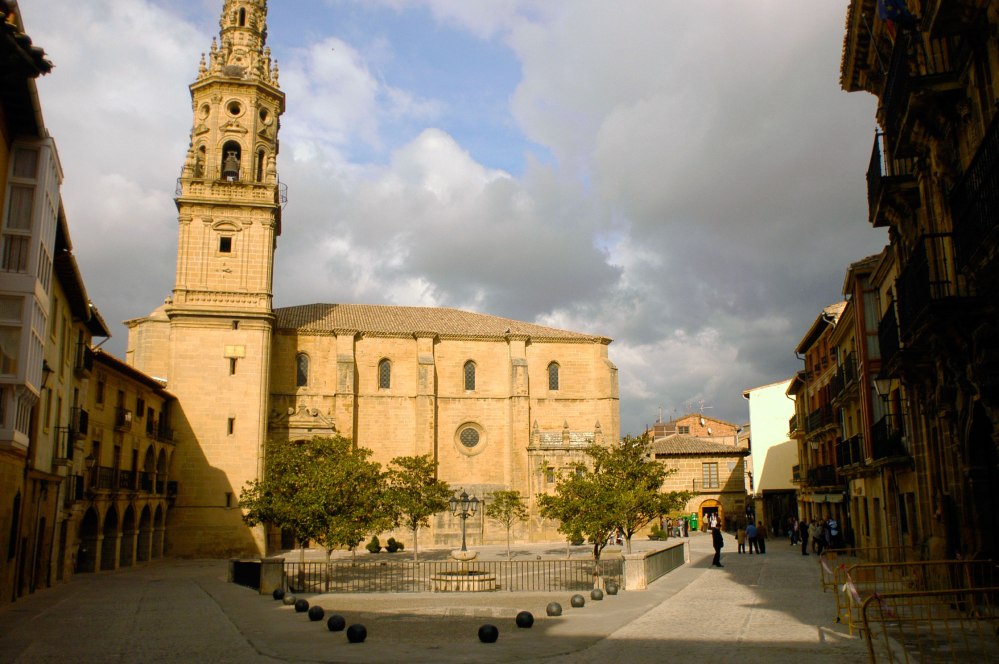
The majestic Renaissance Church of La Asunción
Wine touring in the heart of the Rioja Alta
After visits to the Barrio de la Estación in Haro and the small village of Ollauri, our next suggested stop on the wine trail comes a few minutes down the N-124 / N-232 highway past the Ollauri turnoff.
The walled hilltop medieval village of Briones, along with the neighboring San Vicente de la Sonsierra, are the two of the more interesting of the four villages belonging to the sub zone known as La Sonsierra Riojana which is composed of Abalos, Briñas, San Vicente and Briones. A sleepy village most of the year, Briones’s most important monument, facing the Plaza de España, is its imposing parish church, the 16th-century Renaissance Iglesia de Santa María de la Asunción, whose sacristy houses a beautiful sculpture of the Assumption of the Virgin. A new sightseeing addition to the village has been opened in the Palacio del Marqués de San Nicolás, also in Plaza de España; La Casa Encantada, an ethnographic museum, and an extension of the Museo de la Rioja en Logroño. It consists of a reconstruction of a typical Riojan dwelling from the 18th-century spread over three floors. Visitors can view the vestibule, go down to the subterranean wine cellar, to the stables, then up to the top three floors to visit the living room, kitchen, pantry, bedrooms and sewing room, all decorated with original period furnishings. Visits are free.
Adjacent to the main town square is an attractive wine and accessories store, Date un Capricho, which sells Rioja wines and local cuisine including cheese, honey, chocolates, pates, and olive oils. If you happen to be in Briones in the middle of June Byou may find yourself in the middle of their Medieval Days Celebration when many of its inhabitants dress in medieval costumes, carry out mock inquisitions, have a jousting tournament, and dance, sharing the local cuisine and wines.
If you will be in the village at lunchtime, your options are the Los Calaos de Briones, located in a 17th-century stone calao (wine cellar) in the upper village, which our clients have enjoyed. They also have a small, 8-room hotel that very comfortable. Los 4 Arcos is a traditional Riojan family restaurant located at Calle Cerca de las Cuarenta, 2. The upscale Hotel Santa María Briones, which opened after a two-year long renovation of the original 16th-century military mansion and has an excellent restaurant; Allegar which means “to fill the plate”. Recommended in both the Michelin and Repsol Guides. Open Thursday-Sunday for lunch and daily for dinner. The hotel also has an excellent wine bar. You can have lunch at Dinastía Vivanco after a tour and tasting at the winery.
Wineries of interest in Briones
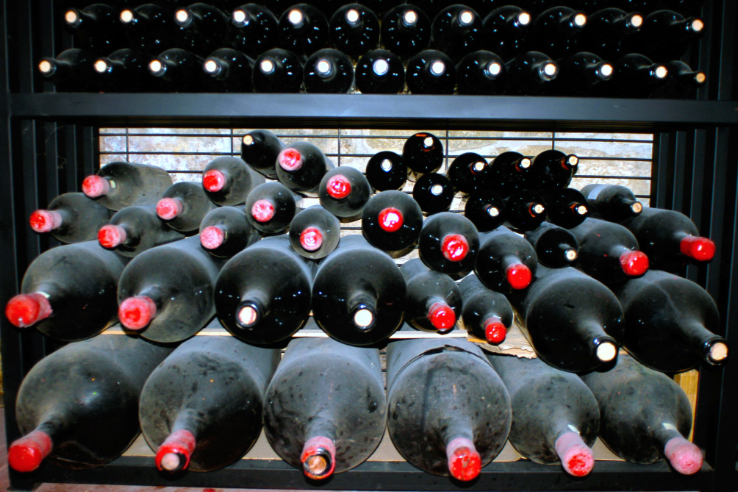
Bodega Miguel Merino
We are always delighted when we get to visit this small, outstanding winery located below the hilltown of Briones. The founder, Miguel Merino, named a winemaking legend in 2020, spent his high school years in North Carolina, while his son, Miguel Jr, who now oversees the operation along with his wife Erika, studied in New England. This has been one of our favorite wineries to take guests or send clients to as the visit is always personal.
Bodegas Betolaza
Located below the upper village at Calle Cuesta Dulce, 12, the family has been making wine for three generations from the 8 hectares of vineyards located around the village and it was only in 2006 that they introduced their first Betolaza Crianza, “following grandfather’s recipe”, to the market, the same year they opened the modern winery.
Dinastía Vivanco
One of Europe’s finest and largest wine museums in the world, the Museo Vivanco de la Cultura del Vino, is just off the N-232 and is a must-see destination of any visit to the Rioja. Opened in April 2004 by King Juan Carlos, it is this most impressive and very engaging museum of wine culture, with more then 6000 pieces on display. There are fascinating inter-active exhibits explaining the role of wine in religion, how wine spread from its origins in the Caucasus, the fermentation process, how wine was transported, how wine barrels and corks are made and a chance to sample various wine aromas. In the botanical garden devoted to wine you’ll find 200 different grape varieties from all over the world. Vivanco was once again named one of the Top 50 of World’s Best Vineyards in 2024, one of 8 Spanish wineries, of which 5 are in the Rioja.
Finca Allende
Miguel Ángel de Gregorio, who coined the term ‘Rioja, la tierra de los mil vinos,’ ‘Rioja, land of a thousand wines’, was only 25 when he was placed in charge of a bodega in Logroño. An entrepreneur, oenologist and viticulturist, he broke away from the classical standards, and was one of the first Spanish winemakers to export wines abroad. He opened his Allende space in the Ibarra Palace, a 17th-century mansion, in 1995. The estate now boasts 74 hectares of vineyards in the countryside surrounding Briones, with 14 hectares only cultivated by mules. ‘Allende’ means “to go a step further”.
Castillo de Davalillo

Before leaving the Briones area you might want to take a detour to visit the 14th-century Castillo de Davalillo, built during the reign of Alfonso VIII to serve as a watchtower against attacks from Navarre. The castle sits atop a hill in a bend of the Ebro River in the middle of the vineyards and offers expansive views of the fortress towns of Briones and San Vicente de la Sonsierra. It one of the few Romanesque castles still standing in Spain. Next to the castle, on the southern slope, you will find the hermitage of Nuestra Señora de Davalillo. The castile was recently purchased by Bodegas CVNE, who is now in charge of its conservation.
For centuries the people from the nearby village of San Asensio have climbed up to the castle during the pilgrimage to the Virgin of Davalillo, which takes place on the second Sunday after Easter. The virgin is carried up to the castile accopanied by dancers to protect the fields during the rest of the spring and summer until the harvest.
To reach the castle, follow the N-232 for a few minutes in the direction of Logroño, taking the turnoff across from the winery/restaurant Bodegas San Chicón. The road leads north through the vineyards to the remains of the former village of Davalillo and its castle.
If you are up for a short walk from Briones, there is a 4.63 km route, the Sendero de Davalillo, that leads you from the Ermita del Santo Cristo in Briones through the vineyards and across the Valpierre stream to the castle. The walk should take about 1-1/2 hours.
 Destinations by Maribel